ArboSkin: bioplastica riciclabile per facciate innovative

15 Ottobre 2018

L'università di Stoccarda ITKE Institute, Dipartimento di Strutture e Costruzioni della Facoltà di Architettura, nell'ambito del Research Proiect Bioplastic Facade, ha progettato e costruito il nuovo padiglione ArboSkin: è composto di 388 piramidi di bioplastica, materiale totalmente biodegradabile o riciclabile derivante da materie prime vegetali rinnovabili annualmente, come l'amido di mais o la farina.

ArboSkin  

L'intero padiglione è realizzato con elementi di facciata in 3D e dimostra le potenzialità estetiche e strutturali delle bioplastiche. Ha vinto recentemente un premio in uno dei più importanti concorsi tedeschi sulle idee innovative.ArboSkin  

La bioplastica è un materiale estremamente malleabile, ma con buone prestazioni strutturali, particolarmente adatto nello sviluppo di facciate complesse e con motivi in rilievo. Allo stesso tempo consente di rispondere alla crescente domanda di materiali da costruzione provenienti da risorse efficienti e sostenibili, limitando l'utilizzo di derivati da combustibili fossili. ArboSkin

Il progetto della struttura a guscio è basato su una rete di forme triangolati in pezzi tetraedrici di dimensioni diverse. La doppia pelle curva è fatta con piramidi di bioplastica di 3.5 mm di spessore che vengono assemblate meccanicamente per creare la superficie di forma libera. La forma complessa a doppia curvatura portante è realizzata collegando tra loro i tetraedri con anelli di rinforzo e travicelliI fogli di bioplastica possono essere modellati e adattati liberamente per soddisfare qualsiasi esigenza estetica dell'edificio.

ArboSkin

I fogli di bioplastica sono stati plasmati e termoformati ad alta temperatura consentendo di coniugare una elevata adattabilità ai disegni più complessi e i rifiuti prodotti durante la fresatura sono stati recuperati, ricostituiti e riutilizzati per creare altri elementi di facciata tridimensionali. I granuli di bioplastica sono estrusi in lastre, che a loro volta sono ulteriormente elaborate in base alle singole esigenze per ottenere superfici e strutture anche di notevole complessità. I prodotti semilavorati sono utilizzabili sia per rivestimenti esterni sia per rivestimenti interni. A fine vita il materiale può essere riutilizzato o smaltito tramite compostaggio. ArboSkin

Finora le bioplastiche erano state utilizzate solo per il confezionamento ma questo padiglione dimostra che il materiale può essere promosso ad alternativa verde al cemento, la cui produzione rappresenta l'otto per cento delle emissioni globali di anidride carbonica. (Fabiana Cambiaso Università La Sapienza) www.itke.uni-stuttgart.de ©ITKE; ©Roland Halbe.

Carlo Bardelli        

Facades

All the colors of the Planium Summer

It is the colors of the Charme Collection that determine the winning combination for the summer, due to the domination of the alloys of copper, Bronze and Brass, which play on the shades of gold.

A naturalism of chromatism and essentiality that in Planium not only coincides with the finishes, but also rhymes with dry laying, through its systems designed to avoid the need for glues, putties, silicones and other harmful substances; like AP01 Lay Floor, the fastest ever because it is layed, with cork underlay to ensure sound absorption and reversible adhesion...

Brushed Brass, Beauty is Timeless

Brass, a ductile, resistant, malleable material is born from the union of copper and zinc. Its color brings to a timeless richness, which goes far beyond the trends of the moment.

Brushed brass

Satin Brass and Brass Cloth. Emotional Reflexes

The warm golden reflections of brass, already iridescent on its own, are superimposed on a refined linear satin finish. The brass cloth, obtained with a double satin finish, is like a fabric that marks an intertwining of thin and orthogonal "threads", which make the surface more articulated and "warm".                     

Brass Cloth

Brushed Bronze, the Color of the Sun

For the finest copper alloy, Planium opts for a unique finish, that of brushed bronze, which makes the rooms unusual and sophisticated. Its clear ocher tone, rich in precious light, grants refined elegance and brightness.                    

Brushed bronze


Partners news

Land Art in Paris. The glass behind a wooden enclosure

30 November 2018

The nature converses with the city. The French architect Stephane Malka, a former graffiti artist and author, presented the project of a restaurant with an interesting exterior in Paris. A wooden casing protects glass structure: a meeting of different materials to represent the relationship with nature. EP7 restaurant stephane malka"The restaurant EP7 evokes the myth, represents the return to an original architecture, reminiscent of a mountain, a forest, a summons. It represents the desire to reconnect with our roots, creating a more harmonious relationship with nature" the artist explains. An urban art, or Land Art, project, Stephane Malka summarizes. EP7 restaurant stephane malkaThe raw wood becomes the bark that, with irregular profiles, covers, almost to dominate, the building. The latter was achieved with large transparent glass that are seen in a trunk and the other up to dominate on the main façade. The vegetation also characterizes the exterior of the building: flowers, trees and plants grow on vertical walls. EP7 restaurant stephane malkaThe restaurant is on three levels, the interior is free of invasive architectural elements; the setting is white, the transparency and natural light dominate. These are choices that enhance the wood bark dominating up penetrate the perimeter of the building. EP7 restaurant stephane malkaAn architecture that wants to be a provocation, both hybrid construction and artwork. www.stephanemalka.com

Carlo Bardelli

Materials

RMIT Design Hub: translucent skin and energy performance

13 Jenuary 2019

The purpose of the Design Hub is to provide accommodation in one building for a diverse range of design research and post graduate education. The Hub provides a collegial research base where post graduates in fields such as fabric and fashion design will work alongside those involved in architecture, aeronautical engineering, industrial design, landscape architecture, urban design and so on.

Design Hub del Royal Melbourne Institute of Technology 4

Research groups have the ability to locate and fine tune their accommodation within ‘warehouses’ – open plan spaces where research teams can set up and tailor their work environment to suit their particular needs. Teams may stay for anywhere from six months to three years depending on the nature of and funding limits to their research and education programs. Research may include the need for workshops to make physical models to be located alongside computer studios, three dimensional printing, virtual reality modelling and so on. Given the time frames associated with research projects all the warehouses require a high level of adaptability and flexibility. In that sense these spaces are designed to accommodate the organic nature of research – ever evolving, adapting, changing and growing. The plan of the Hub acknowledges the desire for incidental cross pollination where researchers from one field encounter those from completely unrelated other fields as part of their day to day use of the building. An exhibition space and design archive provide a public interface with both industry and research outcomes. These spaces combined with a variety of lecture, seminar and multi purpose rooms facilitate high level exchanges in a number of forums.

Design Hub del Royal Melbourne Institute of Technology 3

The Hub has a large number of ESD features and incorporates strategies of water, waste and recycling management that are the equal of any ESD focussed building on the planet. In particular the outer skin of the Hub incorporates automated sunshading that includes photovoltaic cells, evaporative cooling and fresh air intakes that improve the internal air quality and reduce running costs. The cells have been designed so that they can be easily replaced as research into solar energyresults in improved technology and part of the northern façade is actually dedicated to ongoing research into solar cells to be conducted jointly by industry and RMIT. The entire building façade, in other words, has the capacity to be upgraded as solar technology evolves and may one day generate enough electricity to run the whole building. The façade comprises a specifically detailed double glazed inner skin on each face of the building and an automated operable second skin shading device. The second skin shading device surrounds the entire building, from the ground floor to the roof plant level. It is made up of nominally 600 mm diameter sandblasted glass disks, which are fixed to either a horizontal or vertical aluminium axel. Each axel is fixed to the outer face of a galvanised steel cylinder of a slightly greater diameter and nominally 130 mm in depth. 21 glass discs and steel cylinders are fixed together in panels of nominally 1.8 m by 4.2 m, which are supported on a secondary galvanised steel frame set out about 700 mm from the curtain wall face of the building. These are accessed by an external service walkway on each level.

Design Hub del Royal Melbourne Institute of Technology 2

Each typical panel is made up of 12 operable glass discs and 9 discs which are fixed. At the ground and plant room levels all glass disks will be fixed. There are 86 panels on each level and therefore 774 panels for the nine levels of the building. Perimeter air intakes and fine mist sprinklers incorporated into the double glazed inner skin provide passive cooling to the UFAD system. The water used in this ‘Coolgardie safe’ system is harvested from the roof. Fresh naturally cooled air provides a less expensive, lower energy consumption and more desirable thermal comfort alternative to a wholly conditioned work environment.   Credits: www.seangodsell.com RMIT University, Melbourne, Australia, by Sean Godsell Material: Frosted glass,  Low-E insulating glass, steel profiles and galvanized steel Application: Envelope Area: 13,000 sqm Completed: 2012 Figures: © Earl Carter (Fabiana Cambiaso – Università La Sapienza Roma).

Marco Mignatti

Facades

ESTILO GALLERY & SHOWROOM, A SPACE BY SERGIO ROJO ESTUDIO

26th September 2019

“Estilo decided to move its facilities at a time when there was a change in both the economic cycle and in the paradigm of the retail customer experience, and so reflection was needed on the business model. Since the company Estilo Mobiliario y Contract is forever committed to innovation, it entrusted architect Sergio Rojo with the design of its new facilities. Firstly, a singular location was chosen within the new intermodal station of the city of Logroño, a cosmopolitan place, a hub prepared to fully enter into the global market. Secondly, the space was conceived, not as a mere furniture distributor, but as a mixed place with spaces for events, exhibitions, training rooms, coworking, meetings, offices and even catering. The aspects that clearly determined the choice of materials were, on one hand, the unique building architecture, and, on the other hand, the flexibility of the plan for a 500 m2 space that had to cater for different hybrid uses. The incorporation of 2tect2 vinyl flooring was naturally contextualised in this environment. This flooring has characteristics that already make it attractive for flexible use and high traffic, such as its elegance, robustness or not requiring maintenance. But to all these advantages, we can also add its easy handling, which allows any workman to obtain perfect monolithic installation. The seams are invisible, and once installed, you can see how the tiles provide a comfortable user experience.” - Sergio Rojo

Planet_01

ABOUT SERGIO ROJO ESTUDIO Sergio Rojo is committed to innovative dePlanet_02sign. Some of his projects appeared in international publications such as Dezeen, Frame, Domus and Diario Design.


Planet_03

ABOUT THIS PROJECT Client: Estilo Mobiliario y Contract Location: Intermodal Station, Logroño, Spain Installation: 300 m² - 3,230 ft² of Planet Tiles Installed: Q1 2019


Planet_04

ABOUT 2TEC2 2tec2 is a woven vinyl flooring that has been engineered for high traffic locations such as workspaces, hospitality, public spaces, healthcare and retail. Therefor it is extremely robust with almost no aspect change over time, shockproof stain resistant, acoustic, waterproof and 100% cleanable. Environmental efforts make 2tec2 suitable for projects built according to BREEAM and LEED.


Simona Bardelli

Architecture

Sliding House, the wooden house suspended on the coast

16 February 2019

In Canada, Upper Kingsburg, in an old village near Halifax, the Sliding House is a vacation home designed as an elementary box, carved and hollowed by incisions that alter its symmetry, with effects of instability and false dynamism. A construction related to the barns of this segment of Canadian coast, a structure that seems to slide toward the sea while, at the same time, penetrating the terrain, expressing a sense of belonging to the primitive landscape of Nova Scotia. The house rests on the ground like a ship on the sea, a bit sunken, a bit suspended, as if waiting for another wave to push it toward the sea that is waiting there, less than 500 meters away. The house is about to set sail: the line of the roof runs parallel to the slope of the land, and the visual effect is that the house seems to be sliding toward the ocean. The slope of the roof underlines that of the hill, which is actually just 6 degrees. Proudly facing the sea, the western facade of the house has an ambiguous expression, like a face in a curious asymmetrical sneer. The horizontal eye above it is a simple loggia, with a nautical look, entirely in wood, like all the interiors of the house. “Louis Kahn”, Brian MacKay-Lyons reminds us, “thought a building should not have more than two materials, of which one would be glass”, and this superb house has been conceived in that spirit of simplicity that is so deeply rooted in American modernism; a spirit found in the architecture of Kahn, but also the art of Sol LeWitt and the music of John Cage, who were both students at the Nova Scotia College of Art and Design University. The Sliding House is an elementary monument, a construction related to the rural edifices of the zone. It is the result of an encounter between David Peters and Rhonda Rubinstein, a creative couple with a young son, Dashel, and Brian MacKay-Lyons, a talented architect and part of a family with centuries-old roots in the Halifax region. Seven years ago the couple decided to build a summer home in Canada, and Peters turned to Brian MacKay-Lyons, whom he had known for thirty years and for whom he worked as a graphic artist and website designer. David and Rhonda purchased a lot from the architect in Upper Kingsburg, an old village (founded in 1750) near Halifax, where MacKay-Lyons owns about 20 hectares of land on which he has built 12 houses over the course of 25 years. The couple wanted a quick and relatively economical project, for a vacation home of about 150 sq meters, and MacKay- Lyons, with partner Talbot Sweetapple, imagined a parallelepiped cut and hollowed by incisions that alter its symmetry and generate an effect of instability, suggesting false movement. On the northern side the house protects itself from the cold wind with its thickness, a large air chamber containing the staircase, the bathrooms and the kitchen with fireplace. On the opposite side, to the south, a ribbon window opens to the sunlight and the view of the meadows and the ocean, in a sheltered, welcoming summer habitat, a panoramic promenade that terminates, on both the short sides, in loggias facing the landscape. The south side of the house

The structure is in wood, the external walls entirely covered with a continuous skin of corrugated sheet metal, a cold industrial material that forms a contrast with the warm poplar interiors. Exterior and interior design of the house

The hundreds of slats of poplar, with tones varying from red to blanched, generate an intense pattern with optical effects in the hypnotic uniformity of the floors, walls and ceilings.  

Edoardo Croci

Architecture

Ventilated facades. BHC presents DISEGNA WALLING

03 April 2019

Disegna composite board floorings, distributed in Italy exclusively by BHC, have introduced, in the outdoor space design, new expressive possibilities, through an exclusive, high-quality product. Now, it will be possible to carry out also the façades with this innovative material. Fruit of a continuous research work and a careful production process, the system of WPC ventilated façade (wood plastic composite), becomes so a reality. The boards forming the ventilated façade system by Disegna present two finishes: smooth and grooved. Each board is reversible, so that during the laying you can choose the desired finish. The laying technique taking place through a male-female assembly system, with stainless steel fixings, guarantees, at any time, a correct and stable laying without visible screws. The WPC boards produced by Disegna are the most advanced material, whose aesthetic component has been designed carefully to offer added value to the projects. The wide range of colours and finishes allows applying it in various combinations and situations, by creating exclusive designs making the difference. Design solutions are available at the showroom BHC in Milan, Como and Torino.

Edoardo Croci

Architecture
Facades

IL MONDO DELLE WINX VOLA ALLA DESIGN WEEK

Un grande progetto di Rainbow per esaltare i valori del Made in Italy

in collaborazione con CILAB - POLITECNICO DI MILANO


Il design incontra il mondo della magia con le Winx: le fatine più trendy dell’universo, fiore all’occhiello di Rainbow e del Made in Italy, sbarcano alla Milano Design Week 2019 grazie al progetto “WINX LIFESTYLE MAGIC AND DESIGN”, frutto della prestigiosa collaborazione tra la global content company di Iginio Straffi e CILAB - Creative Industries Lab del Dipartimento di Design del Politecnico di Milano.


L’ambizioso progetto, che si colloca all’interno delle celebrazioni del 15esimo anniversario di Winx Club, ha coinvolto gli studenti che hanno analizzato le personalità, stile e i tratti distintivi di ognuna delle sei eroine, reinterpretandoli in veri e propri concept di lifestyle, innovativi e ricchi di magia.


I sei progetti, presentati alla Design Week di Milano, sono veri e propri spazi espositivi emozionali ispirati al mondo delle fatine raccontati attraverso arredi, complementi e grafiche uniche che saranno in grado di far immergere il visitatore nell’universo Winx, un’icona classica dalle applicazioni potenzialmente infinite.


Al progetto hanno partecipato 60 studenti del Laboratorio di Sintesi Finale del corso di Laurea Triennale in Design del Prodotto Industriale che, supportati dai docenti, hanno sviluppato delle proposte secondo un brief definito da Rainbow e CILAB. Gli studenti con le migliori proposte sono stati poi affiancati da un panel selezionato di aziende italiane con cui hanno finalizzato i progetti e realizzato i prototipi tenendo in considerazione materiali, tecnologie e categorie merceologiche di ognuna. Lo stretto rapporto di collaborazione tra il CILAB e le aziende coinvolte (CMC2.0, Piva Group, WallPepper®, Mosaico Digitale, FCA SNC, LC Forniture Industriali, Grifal SpA, On light PF, Specchiopiuma, Kose & ISI Milano, EDG Enzo De Gasperi, TaborGlit), esponenti di punta nei loro settori di riferimento, ha permesso ai giovani progettisti di confrontarsi e maturare professionalmente in una attività di formazione sul campo unica nel suo genere, e ha consentito alle aziende di mettersi in gioco in un progetto innovativo nel quale valorizzare le proprie potenzialità.


L’evento di inaugurazione avrà luogo all’interno del campus Bovisa del Politecnico di Milano il 10 Aprile, e l’allestimento esposto sarà visitabile per tutta la durata della Milano Design Week 2019, dal 9 al 14 aprile. Parallelamente all’esposizione, Rainbow e CILAB coordineranno incontri, tavole rotonde, speech e altre iniziative con lo scopo di raccontare i valori di successo del Made in Italy delle aziende coinvolte.


Le Winx sono una realtà di portata mondiale costituita da traguardi tutti italiani. Bloom, Stella, Flora, Musa, Tecna e Aisha continuano ad essere fonte d’ispirazione di storie e prodotti sempre inediti, e “WINX LIFESTYLE MAGIC AND DESIGN” è il nuovo progetto che vede le nostre fatine protagoniste indiscusse di questo 2019.
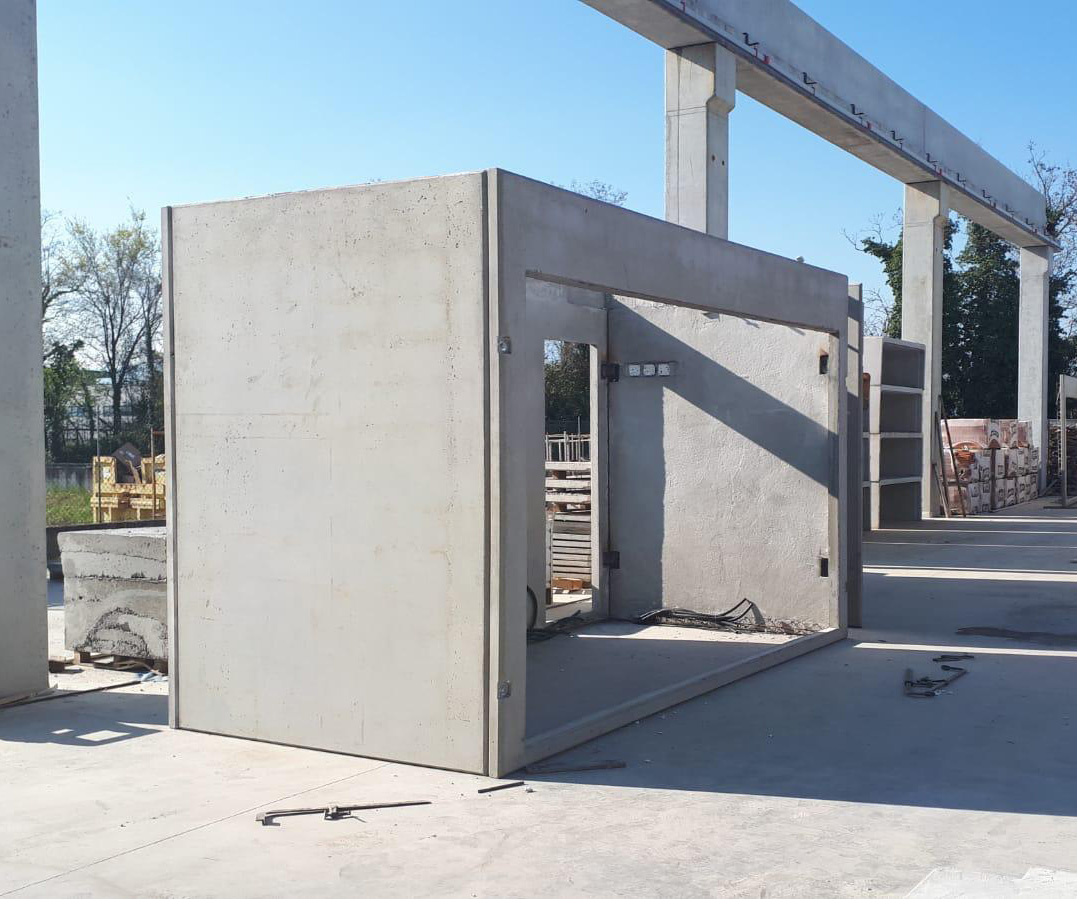
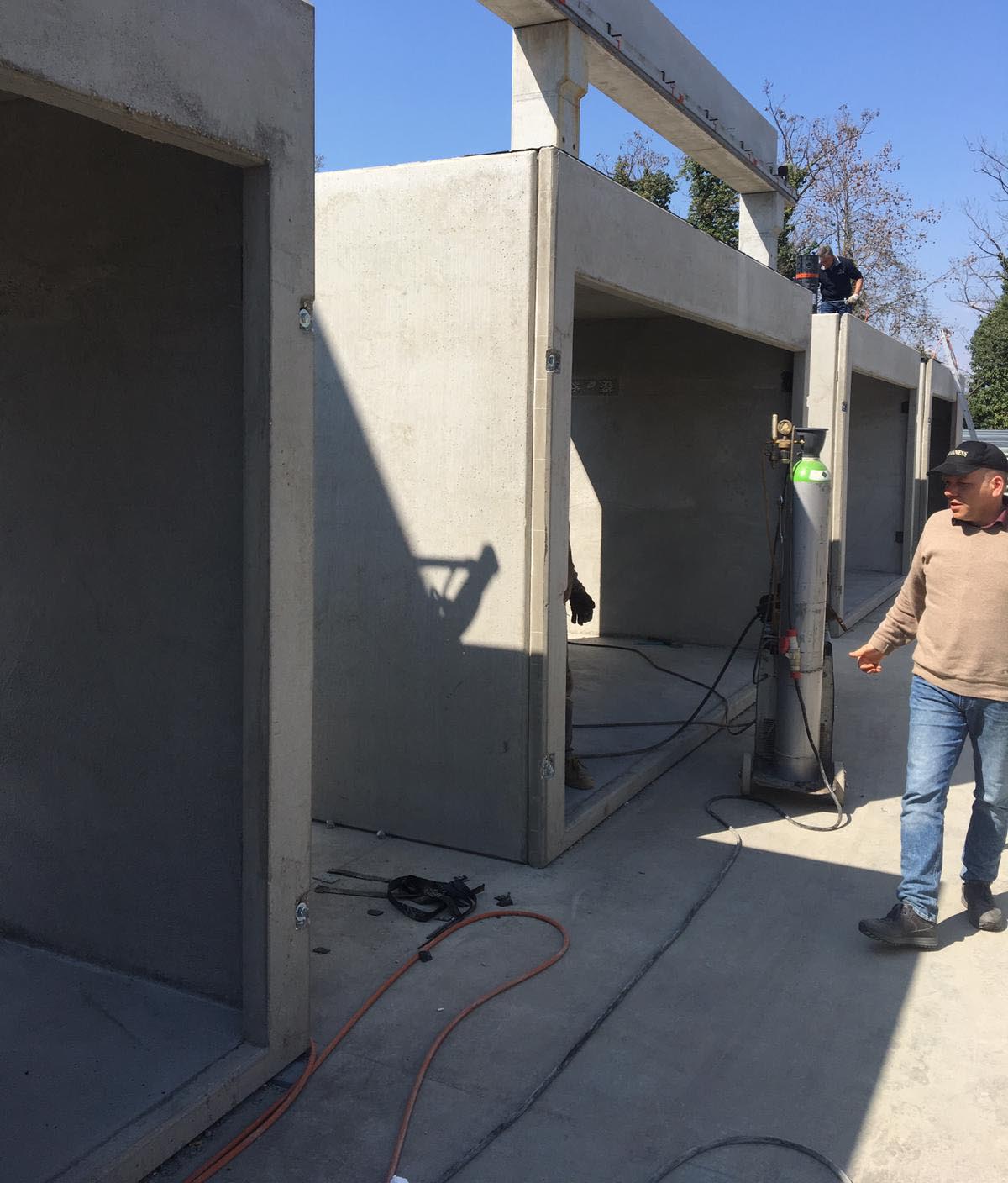


CMC2.0, con i suoi sistemi costruttivi in cemento, a monoblocchi o a pareti, ma comunque su misura e idonei per essere collocati “ovunque nel paesaggio”, ha convinto le Winx: non hanno sentito il bisogno di ricorrere alla magia per la realizzazione delle proprie case!


Piva Group, grazie ai suoi serramenti ha reso i monoblocchi vetrine espositive permettendo ai visitatori di proiettarsi all’interno degli allestimenti e di goderne i dettagli.


WallPepper®, mettendo a disposizione le proprie carte da parati ha permesso ai designer di personalizzare interni ed esterni degli allestimenti e di sperimentare le capacità tecniche ed estetiche dei loro prodotti.


Mosaico Digitale®, attraverso l’uso di innovative tecnologie e materiali ha contribuito nel rendere magici e interattivi gli spazi, stimolando i giovani progettisti a reinterpretare il mosaico.


FCA SNC, mettendo a disposizione il proprio know how e le proprie tecnologie ha guidato i designer nella finalizzazione degli arredi in legno e nella loro prototipazione.


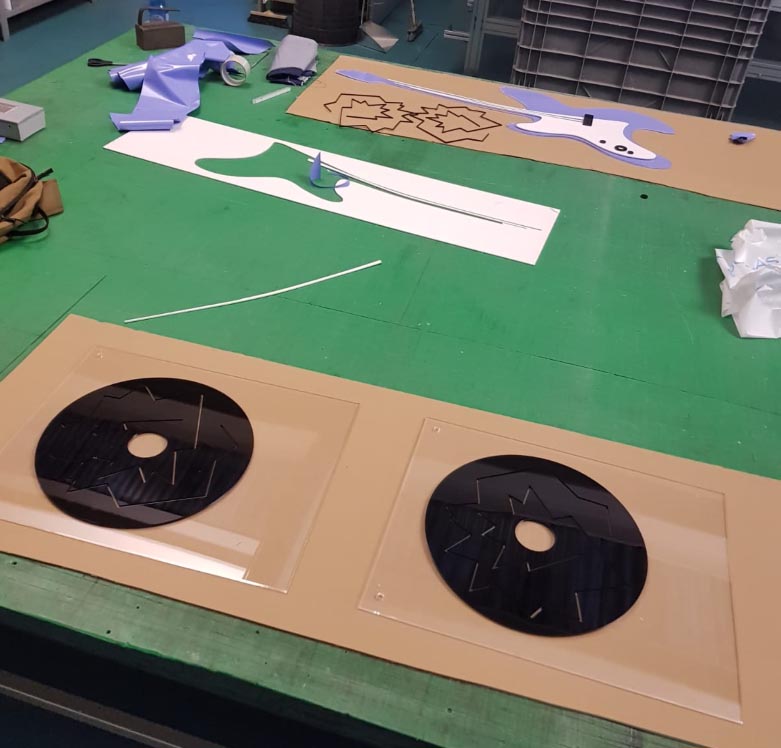
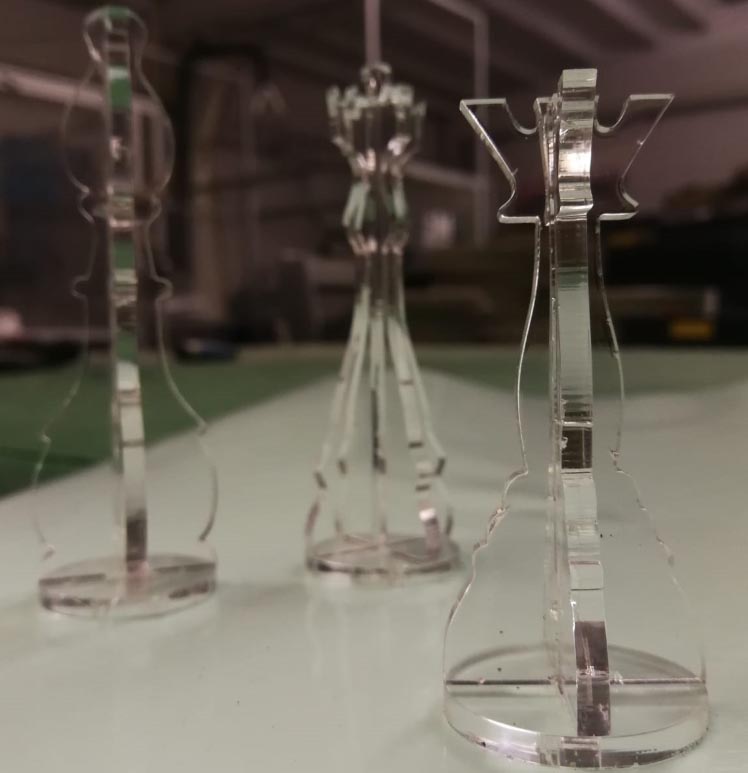
LC Forniture Industriali, grazie all’approfondita conoscenza dei materiali nel settore design, ha reso possibile la realizzazione di arredi, complementi, lampade e accessori in plexiglass, oltre che oggetti in spugna tecnica ad alta densità e pavimentazione a specchio in composito alluminio e pvc.


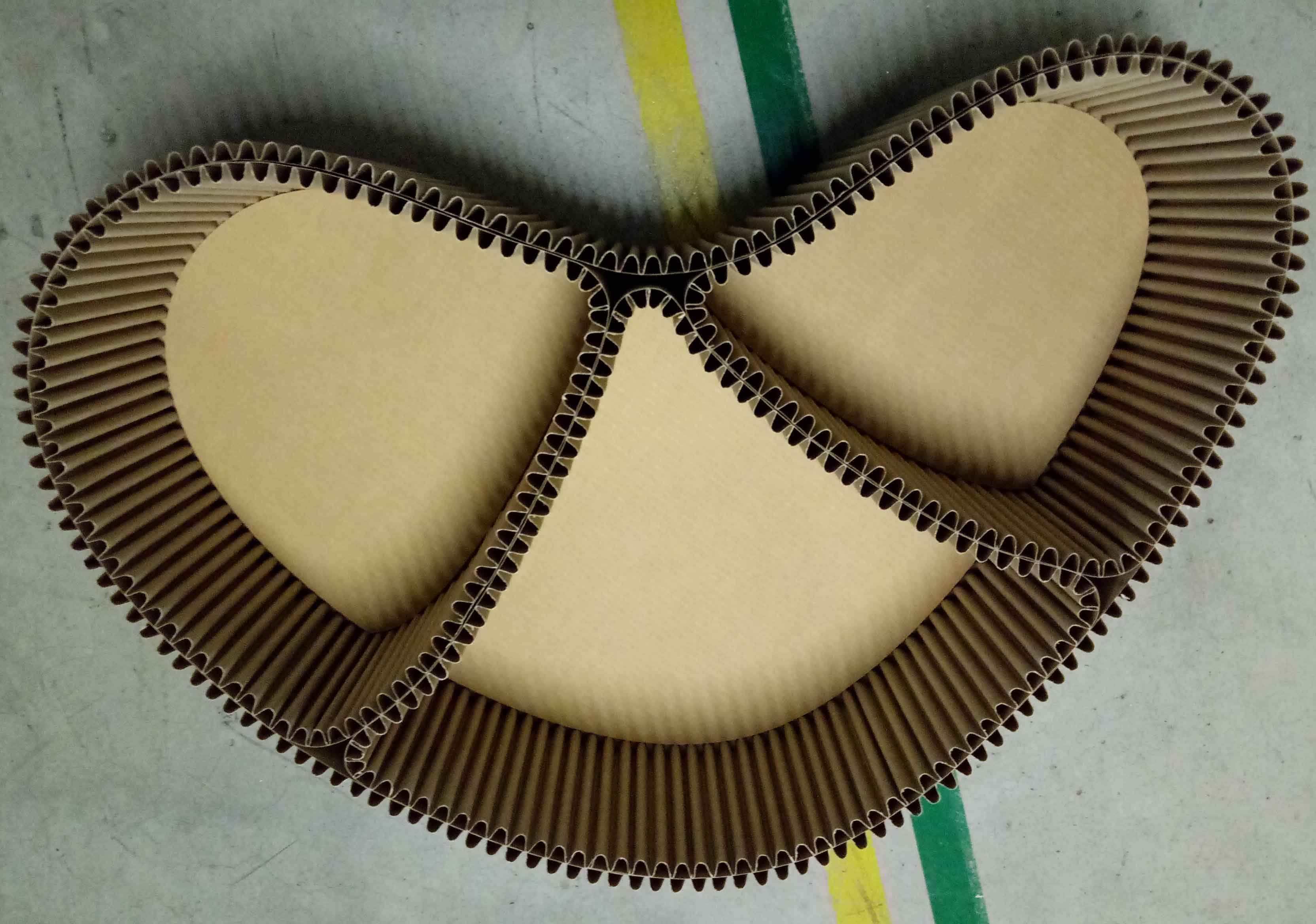
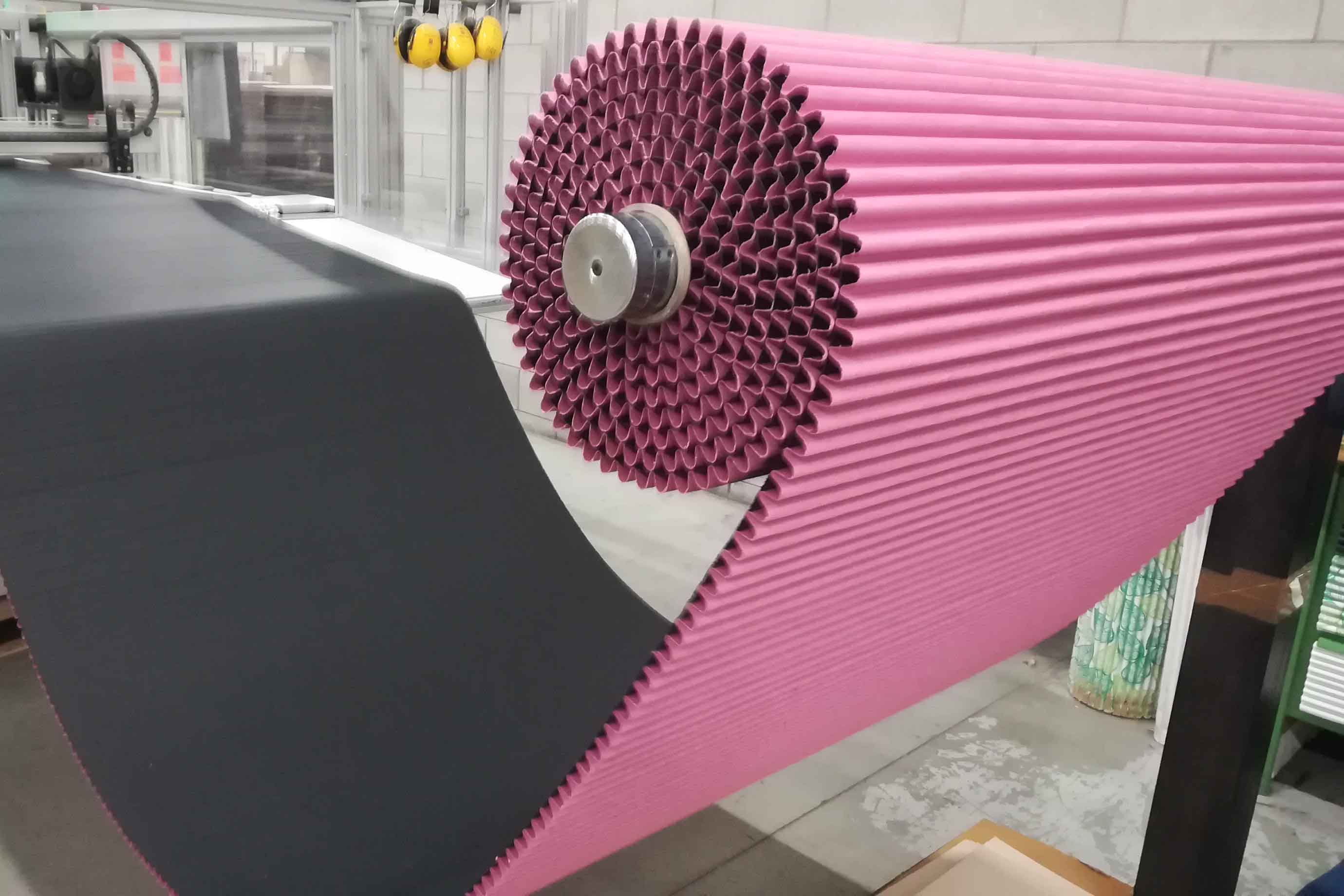
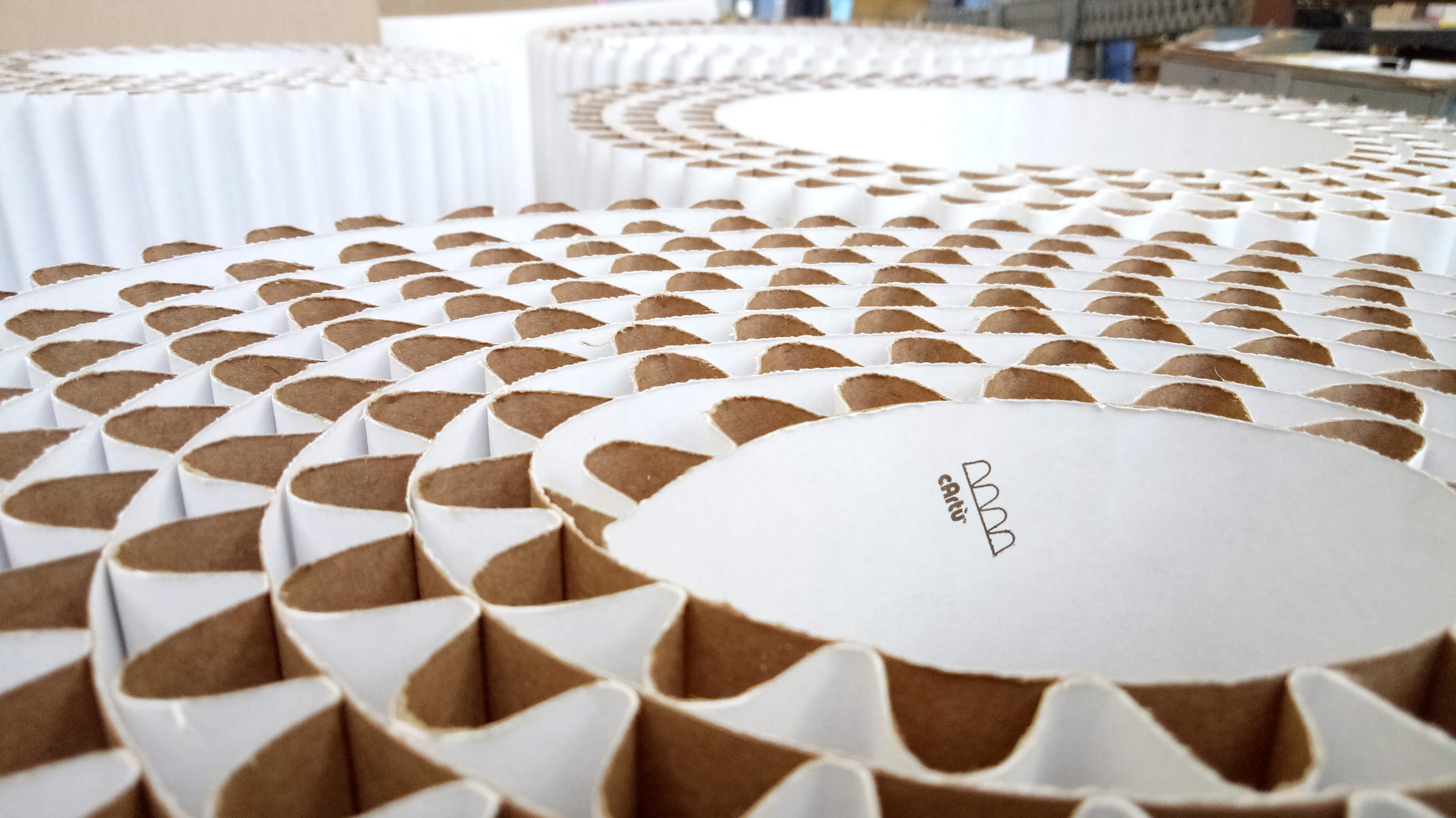
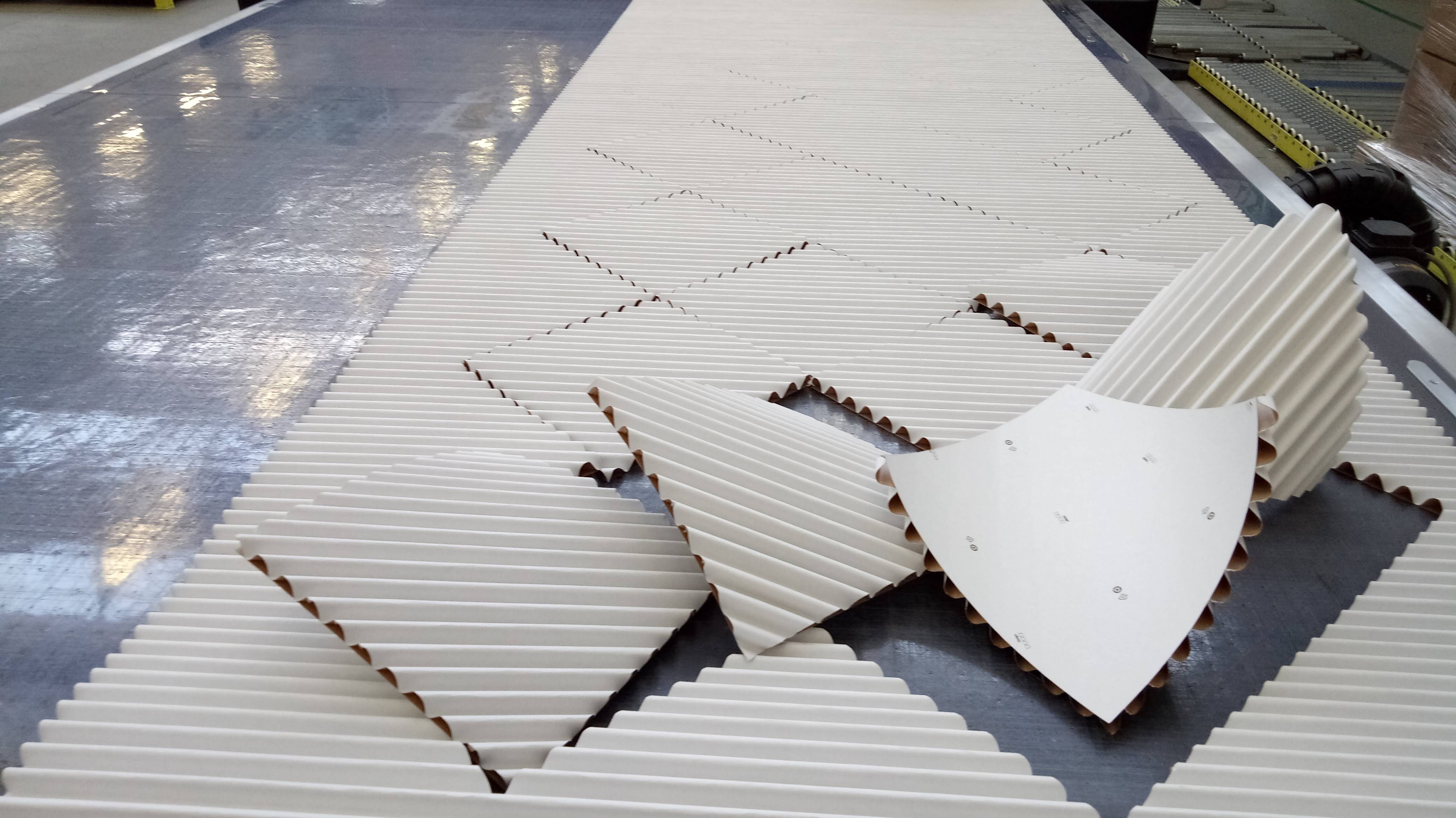
Grifal SpA, ha trasferito ai designer la propria vision di un nuovo cartone ondulato – a marchio cArtù –  reinventato rispetto al suo classico utilizzo, portandoli a progettare librerie, sedute ed elementi di arredo inaspettati.


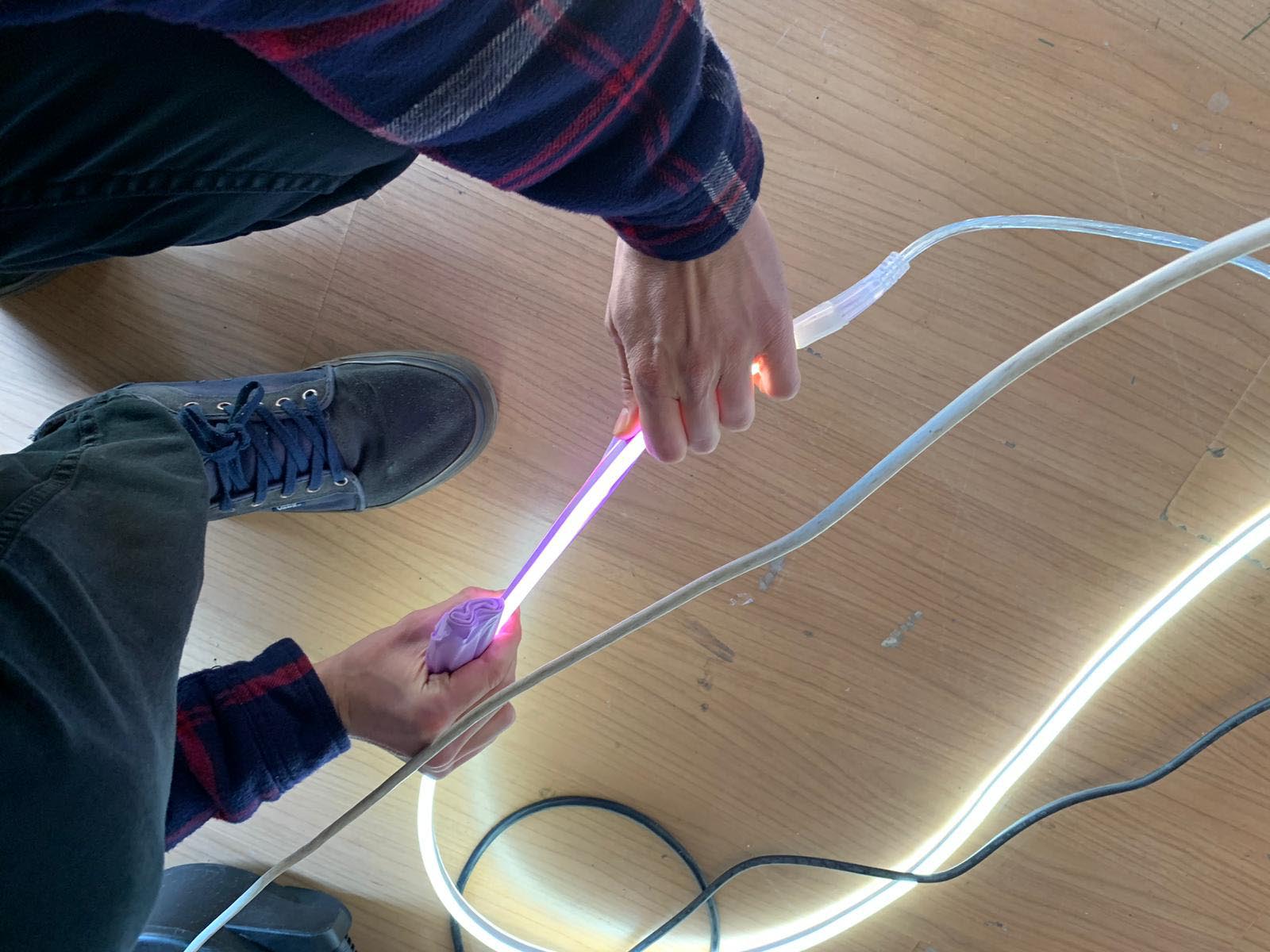
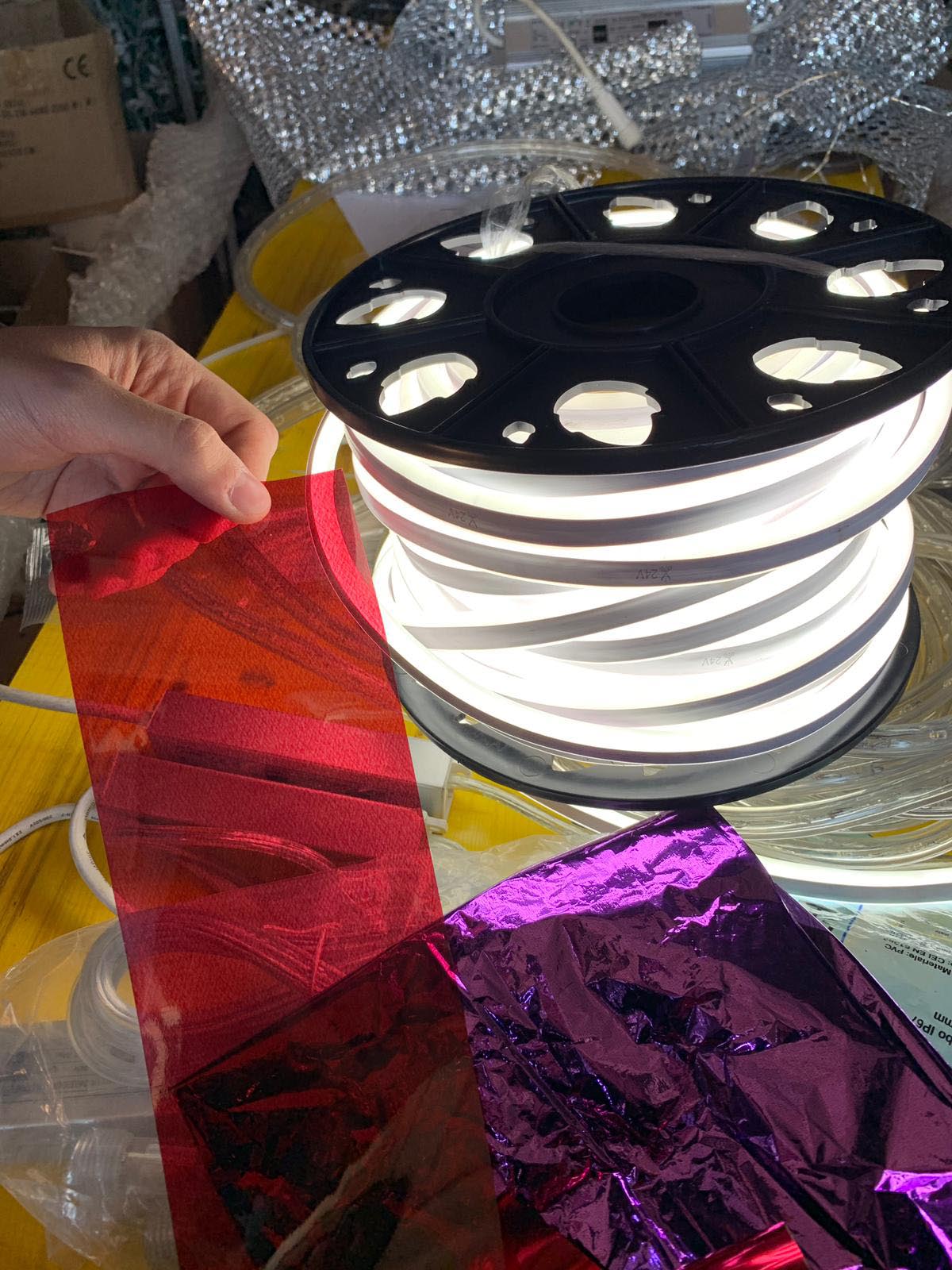
On Light PF, ha aiutato i designer nella realizzazione dell’illuminazione e degli effetti “magici” di luce all’interno degli spazi, mettendo a disposizione le loro più avanzate tecnologie.


Specchiopiuma, con i suoi sistemi flessibili e modulari per la realizzazione di superfici riflettenti ha potuto creare effetti ottici e di profondità negli spazi.


Kose & ISI Milano, hanno messo a disposizione le loro opere e i complementi di arredo in porcellana donando agli allestimenti l’aspetto di ambienti vivi.


EDG Enzo De Gasperi, con le sue decorazioni floreali ha permesso poi di aggiungere un tocco di natura e di realismo agli ambienti.


E infine TaborGlit, che con la sua materia prima rappresenta a pieno l’anima della serie animata fornendo un effetto magico e indistinguibile agli allestimenti.




Sito ufficiale: www.winxclub.com

Tendenze social: #WinxLifestyle #WinxClub #15YearsOfWinx


WINX CLUB IN NUMERI

6 Winx

15 anni di magiche emozioni

Oltre 100 Paesi raggiunti dalle Winx​

8 Serie TV

4 Film TV

3 Film per il cinema

2 Serie animate Original Netflix

1 Serie live action Original Netflix in produzione

170 Canzoni dedicate

18 Trasformazioni

Oltre 100 cambi di abito

30 Nemici storici (tutti sconfitti)

4 Giorni di lavoro per 1 minuto di animazione

Oltre 6.000 minuti di animazione

Oltre 9.000.000 Frame

Infiniti Battiti di Ali


Rainbow

Il Gruppo Rainbow è stato fondato nel 1995 da Iginio Straffi, Presidente e Amministratore Delegato, e ha raggiunto la fama mondiale grazie allo straordinario successo delle fatine Winx. Il Gruppo è attivo nel segmento dell’intrattenimento per bambini e teenager ed è una delle principali realtà di riferimento a livello internazionale nella creazione e nello sviluppo di contenuti - sia animati sia live action - nella realizzazione di prodotti televisivi e cinematografici ad essi ispirati, nella loro successiva commercializzazione, anche tramite concessione di licenze, nonché nell’attività di produzione animata per società terze che è stata integrata nel 2015 con l’acquisizione della società canadese Bardel Entertainment Inc. Dal 2017 il Gruppo Rainbow, a seguito dell’acquisizione del Gruppo Iven, ha inoltre ampliato la propria offerta prodotti televisivi e cinematografici dedicata ad adulti e famiglie attiva sul mercato da oltre 30 anni. Nel corso di oltre 20 anni di storia il Gruppo ha creato e sviluppato diverse property e oggi può contare su un portfolio di prodotti trasmesso in oltre 100 Paesi, attraverso le diverse piattaforme di broadcasting. Rainbow è un fenomeno riconosciuto di licensing, ricopre la tredicesima posizione nella Top Global Licensor List con più di 500 licenziatari attivi su scala mondiale.


Comunicazione Rainbow

Daniele Mignardi Promopressagency

Rif. Nadia Rosciano - T +39 6 32651758 r.a.

[email protected]  - www.danielemignardi.it

Facebook: Daniele Mignardi Promopressagency - Twitter: @DanieleMignardi


Ufficio Stampa  Rainbow

Silvia Conti

T +39 07175067442

[email protected]


BRANDS


Mirage-sculpture at Madison Square Park

16 January 2019

From now until winter 2016, visitors to New York’s Madison Square Park can find themselves enveloped beneath a mirrored labyrinth, hovering above both them and the surrounding landscape. Madison Square Art presents ‘Fata Morgana’ by american artist Teresita Fernández, a 500-foot-long sculpture comprising mirror-polished discs that create kaleidoscopic canopies above the park’s central pathways and recreational areas. fata-morgana‘My concept was to invert the traditional notion of outdoor sculpture by addressing all of the active walkways of the park rather than setting down a sculptural element in the park’s center’, Fernández describes ‘By hovering over the park in a horizontal band, Fata Morgana becomes a ghost-like, sculptural, luminous mirage that both distorts the landscape and radiates golden light.’ fata-morgana-madison-square-parkA Fata Morgana is an optical phenomenon that forms across the horizon line, distorting objects in the distance — boats, islands, and the coastline — such that they become completely unrecognizable to the human eye. Alluding to this rare occurrence, Fernández’s sculpture introduces a visual, shimmering element to the park that engages visitors in a dynamic experience and warps the landscape surrounding them. Each of the suspended mirrors are perforated with intricate patterns reminiscent of foliage, referring to madison square park’s botanical resources. As sunlight filters through, abstract flickering effects sift through the horizontal metal forms, casting a golden glow across the expanse of the work, paths, and passersby. fata-morgana-madison-square-park-art fernandez-fata-morgana-madison-square-park  

Marco Mignatti

Architecture

Friem Headquarters: metal skin façade

04 February 2019

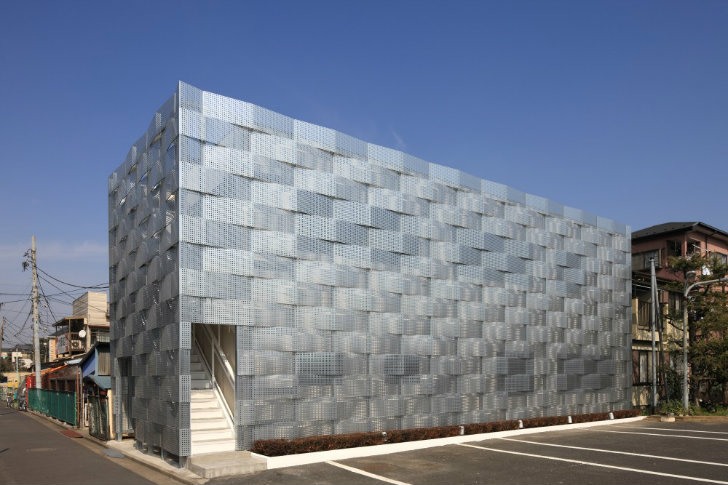
Italian architects Onsitestudio have completed the Milan headquarters of an electrical product manufacturer, wrapped in profiled steel. The main purpose of the project is the overall reorganisation of an area used for the production of electrical converters, located in an industrial compound along the Cassanese state highway, east of Milan. The main idea is to define the boundaries of the production site by building a continuous wall to create a feeling of an enclosed urban block. The building “thickens” this wall near the angle, separating the internal space from the external one, with an internal garden and public spaces along the street . Friem HeadquartersThe project foresees research spaces on the ground floor, withdrawn and facing the internal garden and offices on the second floor. The volume folds around the angle and stretches out with two bodies, characterized by a continuous glass façade: the first body, facing the birch garden, is designed to be used for directors’ offices, while the second one, facing the street, will be used for the operating offices. On the far west side, in direction of the state road, the volume becomes a vertical body, with the tower hosting the technical stations. The metal skin, constituted by shaped and drilled sheet metal in opaque stainless steel, envelopes the building entirely like a curtain, thus conferring to the volume a balanced character, where the opaque and transparent portions are ambiguously defined. The skin filters the light into the building at different opening degrees, depending on the exposure to the sun and the degree of intimacy desired in the interior. Friem HeadquartersThe facades are completely defined by a metallic skin composed of opaque stainless steel shaped, perforated and stretched sheeting. The steel selected for this project is stainless AISI 304, with a 2 mm thickness and 4 to 4.5 m high sheets. The texture of the metallic elements has been developed in several phases trying to use common industrial elements, such as folded and perforated sheets, to then achieve a bespoke solution to follow the concept of a cladding whose variety can be shown at different levels, both in plan and elevation. In correspondence of the glazed elements the metallic cladding continues and maintains its shape, but it is perforated. The presence of many small oval holes allows the metallic skin to filter the light with various grades of opening in relation to the sun exposure and the level of intimacy of the internal spaces. Friem HeadquartersOnly the entrance which is characterised by zenithal light. The sensation for those who are inside is of an intimate and reserved environment with relaxing views over the green of the internal garden. The choice of the metallic cladding, as well as for the rest of the construction executed with the assembly of prefabricated elements (iron profiles for the structures and plasterboard panels for the partitions), has been dictated by the desire of slimming down and simplify the construction phase, while speeding up the phases, reducing the storage space for materials on site and improving the quality of the finished product. Friem HeadquartersThe building is designed to meet the class A energy efficiency requirements of CENED. The metal covering  has been designed to be covered with photovoltaic panels in amorphous silica. Energy efficiency is achieved through several strategies: a high performance covering system for both opaque and transparent portions, external shielding systems against solar radiation, internal curtains, technical systems based on heat pumps, he recovery of rain water for irrigation and high performance double glazing. Stratigraphy is organised as follows: a sandwich panel in wood and mineral wool with a thickness of 150 mm, coupled on the outside with a transpiring, watertight and UV resistant membrane, and completed on the inside by an insulated wall lining in plaster with 3 plates. Friem Headquarters(Fabiana Cambiaso) Credits: Onsitestudio Architects Friem Headquarters, Segrate (Milan, Italy) Building Surface: 2100 mq Opening: 2010 Materials: Steel, Wood and Mineral Wool Applications: Envelope Cladding, Solar Shading, Sandwich Panel www.onsitestudio.it Figures: © Filippo Romano; © Onsitestudio; © Helene Binet.

Carlo Bardelli

Facades