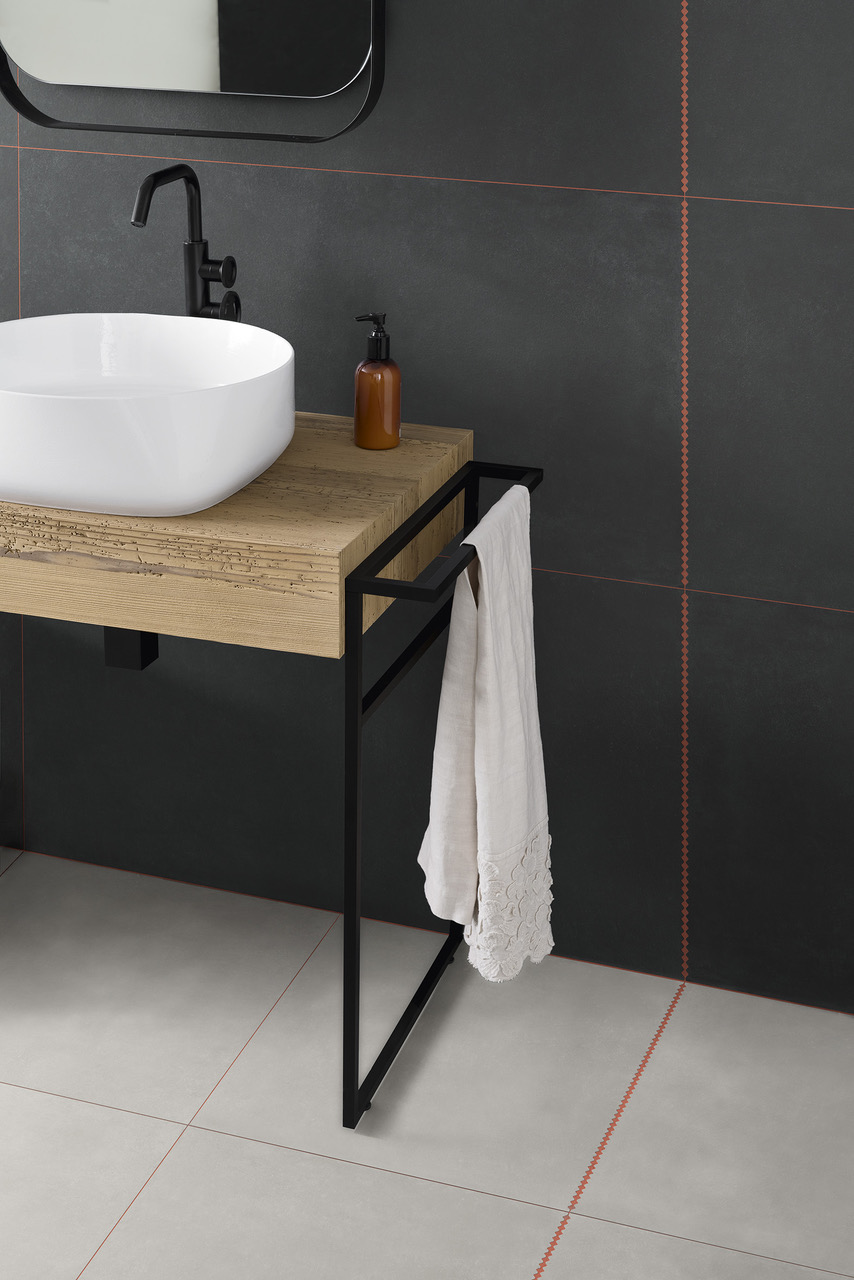
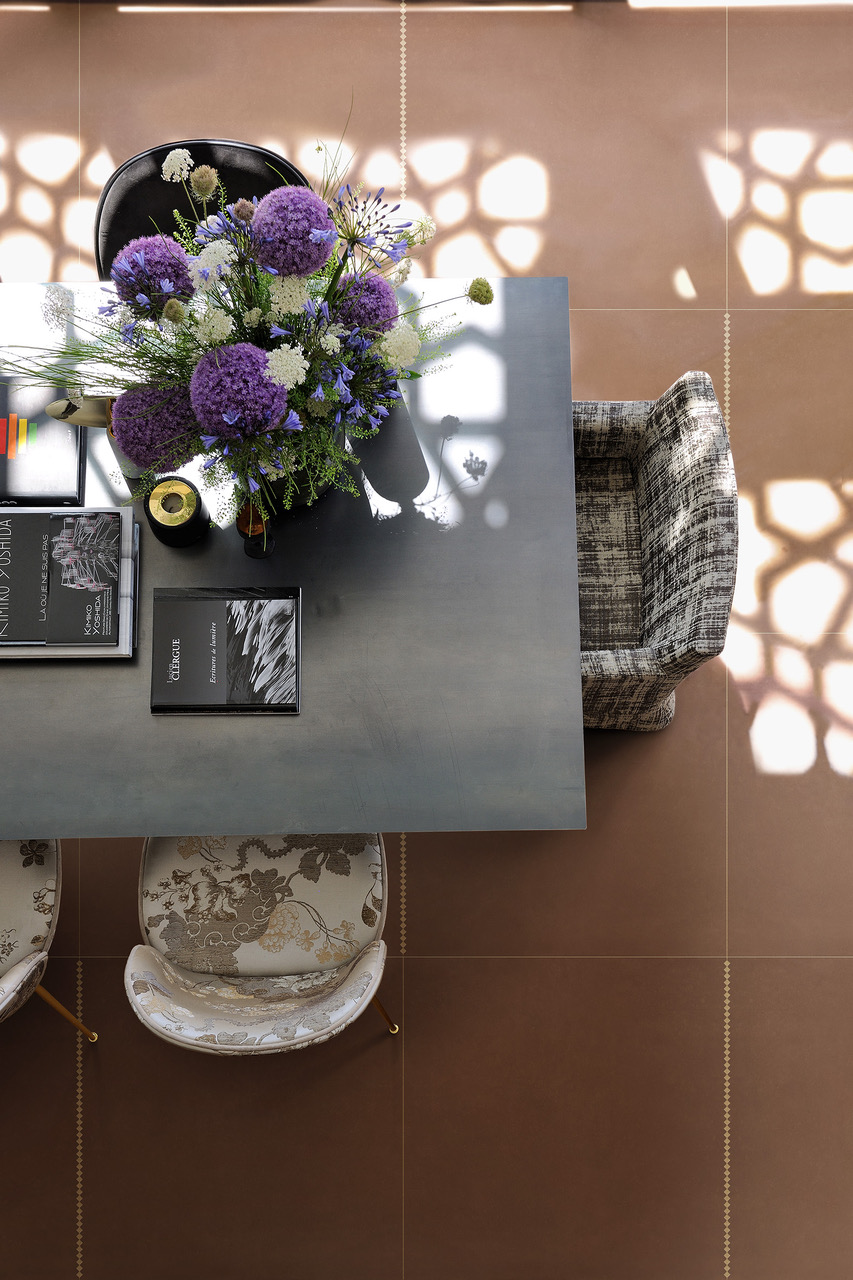
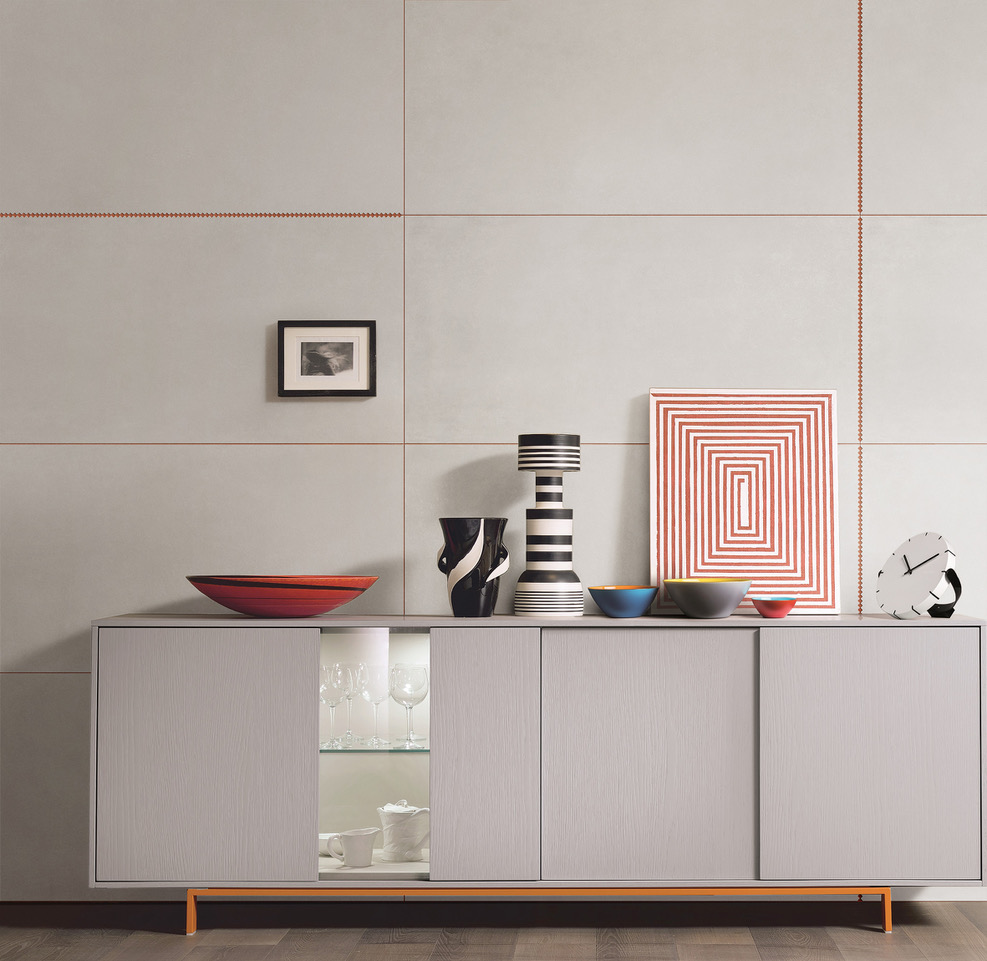
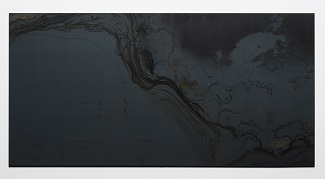
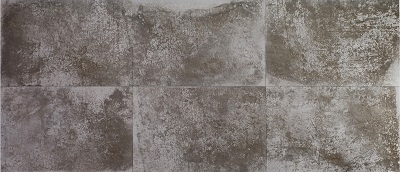
Ultra _ Extra is an event which took place during Made Expo to highlight the qualities of an ultrathin slab!
It took place far from fair, in a more intimate and private atmosphere in the Centre of Milan, in Laminam showroom; it was a good chance to look closely at how the materials will involve us in concrete terms, through their features, lightweight and texture.
The future, as it appears to us, is asking to reconsider how to build things and houses, places to work, where to live. So, companies are investing in this sense, to make room for a sustainable and economically viable future. In this period we are talking about investment, projects and products that evolve to find new applications, we are making reflections on materials as "Tools".
We listened with interest to the technical-scientific stories about lightweight construction by Alessandra Zanelli, Professor at Politecnico di Milano, BEST Department. Textiles applied to the construction, advanced materials for membranous applications and film fluoropolymeric for applications in intelligent systems, intelligent packaging to rethink the exterior.
Later we listened to Micol Costi, Director of Library & Research Material, Material ConneXion ® Italy, with his poetic stories about the search for innovative materials, characterized by a significant decrease in weight, without affecting the property.
Materials are developing to make spaces be more functional, design be more comfortable, materials distant and cold once be more appealing now.
So we realize finally that ceramic plates represent a real skin for contemporary architecture, a multi-purpose area with many possibilities of use.
www.laminam.it/ultra_extra
Disegna composite board floorings, distributed in Italy exclusively by BHC, have introduced, in the outdoor space design, new expressive possibilities, through an exclusive, high-quality product. Now, it will be possible to carry out also the façades with this innovative material. Fruit of a continuous research work and a careful production process, the system of WPC ventilated façade (wood plastic composite), becomes so a reality. The boards forming the ventilated façade system by Disegna present two finishes: smooth and grooved. Each board is reversible, so that during the laying you can choose the desired finish. The laying technique taking place through a male-female assembly system, with stainless steel fixings, guarantees, at any time, a correct and stable laying without visible screws. The WPC boards produced by Disegna are the most advanced material, whose aesthetic component has been designed carefully to offer added value to the projects. The wide range of colours and finishes allows applying it in various combinations and situations, by creating exclusive designs making the difference. Design solutions are available at the showroom BHC in Milan, Como and Torino.
L'Istituto per Design Informatico (ICD) e l'Istituto di Strutture edilizie e Progettazione Strutturale (ITKE) dell’Università di Stoccarda hanno realizzato un padiglione che ricorda visivamente e materialmente un insetto, o meglio un coleottero. Il gruppo di lavoro non è certo nuovo a questi progetti: recente è infatti un altro padiglione basato sull'esoscheletro di un'aragosta e una struttura progettata e costruita invece sul modello dello scheletro di un riccio di mare. Il progetto è basato sullo sviluppo robotizzato per moduli delle doppie strutture composte da strati di fibra di carbonio: in questo modo l’intera architettura rimane minima e leggera, permettendo un elevato grado di libertà geometrica. Si estende su una superficie di 50 metri quadrati, ma pesa solo 593 chilogrammi.
Il team di ricercatori e studenti ha utilizzato modelli 3D ad alta risoluzione di vari gusci di scarabeo - noti come elitre – per condurre un'analisi delle strutture interne complesse, lavorando a stretto contatto con biologi e paleontologi dell'Università di Tuebingen.
Queste strutture sono state poi convertite in una serie di principi di progettazione, realizzati con vetro e fibra di carbonio polimeri rinforzati per dare il padiglione un rapporto resistenza-peso ottimale. "Il progetto presenta un nuovo approccio alle strutture in fibra composita in architettura", ha spiegato ICD ricercatore e membro del team Marshall Prado.
Looking for a new balance between the natural environment and the built one, creative and constructive process of housing is looking for new concepts and objectives.
The architect Marco Piva presented at Made the installation "Space for Life" that addresses the issues of small-scale residences, their possible aggregations in more and more complex structures.
Constructive solutions are made in relation to the highest energy standards. The manufacturing technology is that of wood, renewable natural material; energy performances are in "class A"; renewable energies are used and the structure is earthquake-proof and fire resistant.
The building materials are sustainable and high performance. The vertical walls are made with the innovative Greenbiz. Born in Japan, result of research and studies, it is a unique and worldwide patented material, result of a virtuous cycle of production. Cooking at very high temperatures, above 1000° c, makes the matter be like ceramics, so it is inert, fireproof and ultra-micro porous and lightweight.
The characteristics of absorption and thermal insulation combined with the ability to absorb water and hold it for 50% of its volume makes it the best possible material for industrial roofing and terraces with hanging gardens. Used as a coating, it works as a coat and it allows the creation of vertical green.www.greenbizitalia.it
In the last few years we witnessed a widespread diffusion of special ceramic materials, performing both for technical and aesthetic characteristics, for interiors and exteriors applications, and realized using new all-Italian technologies that have fueled the expressive potential of designers and brands.
This phenomenon can be seen not only in publications, catalogues, sector fairs, showrooms, but also in competitions dedicated to the ceramic world and in a variety of workshops, including international ones. On this topic of both formal and technological innovation of ceramics, in particular Italian, and all its possible applications, we will dedicate on Syncronia a series of stories and insights of great interest to professionals.
In this regard, it just ended the 8th Edition ofLa Ceramica e il Progetto, an architectural competition promoted by Confindustria Ceramica and Cersaie with the aim of rewarding the best projects of italian architects and interior designers realized using made in Italy ceramic, in the categories of Residential, Commercial and Institutional buildings.
The jury, made up of Aldo Colonetti, Mario Cucinella, Fulvio Irace and Cristina Faedi, evaluated all the 115 projects received on the basis of creativity, functionality and aesthetic taste of the realization, taking into consideration the design, the use of ceramic material, the quality of the laying and the attention to environmental sustainability.
For the category Residential, the winner is the project Up Town - Lotto R3, Edificio a Torre in Milan by Scandurra Studio Architettura. Here the presence of ceramic material (ceramic tiles by Cotto d’Este) seems to be a sort of manifesto of the architect’s trade, revealing wisdom, knowledge and ability to know how to read materials and make them live within an articulated and complex space.
Up Town - Lotto R3, Edificio a Torre
For the category Commercial, the winner is the project Italia&Amore Ristorante Mercato Enoteca in Bozen by Roland Baldi Architects with Gruppe Gut and Heike Linster. An historic 5 floors building in which Ceramica Vogue tiles become a sort of large canvas with prints of line drawings, making the most of the potential of Italian ceramics through colors, textures and finishes.
Italia&Amore Ristorante Mercato Enoteca
For the category Institutional, the winner is the project Riqualificazione della Stazione Ferroviaria di Elmas in Sardinia by Paolo Fadda, Marco Tradori, Michele Onali and Federico Sollai. In its new design, the Elmas station keeps the original plan, accepting new spaces in which the porcelain stoneware cladding (ceramic tiles by Caesar) is made with large-format slabs and produces a linguistic effect capable of dialoguing, in terms of materials, with the surrounding landscape.
The jury also decided to award 7 mentions, 2 in Residential (Casa SN in Noto by Salvatore Spataro Architetto; Edificio C in Aversa by Paolo De Michele), 3 in Commercial (Duomo 37 in Tivoli by Nooow Architects; Hotel CampZero in Champoluc by BladIdea; AJI - Oriental takeaway in Milan by Maurizio Lai Architects and 2 in Institutional category (Complesso Parrocchiale di San Ponziano in Olbia by studio A1 Engineering; Nuova sede della Croce Rossa Italiana Local committee in Scandiano by Studio M2R Architettura).
Casa SN
Duomo 37
Duomo 37
Hotel CampZero
The official award ceremony took place on the last 2nd of July at Salerno Maritime Station, after a conference about ceramics and architecture promoted by Ceramics of Italy in collaboration with Proviaggi Architettura.
The Psenner distillery is a space that combines innovative design and tasting, and the first European project made with zinc-steel mesh titanium by Zintek®. One of the most famous distillery in South Tyrol, and established itself at the international level, Psenner is over 60 years grappa and distillates' synonymous. The company want to communicate its own identity based on transparency and visibility, this inspired the architects Freissinger and Elzmbaumer, who have built the project: the image of manufacturing processes move from inside to outside. The skin envelope comes from the three basic stages of Psenner production - distillation, evaporation and condensation - occurring in copper stills and tubes. These produce tube shapes that characterizes the showroom, and Onyx backlit display changes color creating a different atmospheres. And here the "bubbles" of steam come, as round shapes in the steel's zintek® mesh which is the production's shed covering. The sheet metal, chosen for its texture, was deliberately mounted to reverse, with openings upward to maximise the nighttime lighting, through white light filtered by satin glass, which lit up from within the walls of the building. An effect of great suggestion possible by the workmanship of the slabs and the quality of the workers who have made the work, the Schmidt AS Bolzano. Zintek ®, is therefore ideal for innovative project due to its excellent processability and able to blend perfectly with other materials used, first of all, the total white glass that reduces the difference between internal and external. The Psenner's new headquarters is today a point of reference for the world of wine (it will be promotion site for events and educational and informative activities) as well as industrial design. (Fabiana Cambiaso Università La Sapienza Roma).
It's called the Building that Grows, and it could be compared to a dream, a wish that comes true. It's something different, which we are not accustomed to, it is extremely material but at the same time loaded with symbolic meanings. We are in Montpellier, southern France. The Edouard François’ Maison thinks and designs this building for houses that will become part of the collections of the Pompidou Centre. The Maison architecture reflects the trends of contemporary society: sustainable development, the use of local materials as well as the conservation and valorisation of the existing buildings. These are all recurring themes in the work of the French firm that continues to investigate new forms of sustainability, new "green" habitat.
In this case, the choice was towards the use of stones as wall claddings and to design balconies or small wooden terraces that sprout from the sides of the building by discontinuing the linearity. The study of the balconies was a key part of the project: we are the "balcony-gardens" to dine outdoors and to accommodate many friends; the "balconies-cabins" that remain perched in the trees for more intimate gatherings, then the "balconies-towers" that, as little medieval towers, allow you to explore your surroundings, the foliage of the tree tops, in which the building is well integrated. Finally, there are the "balcony-terraces" entirely dedicated to reflection and contemplation to live in perfect harmony with nature while staying in town. The name of the building, however, is tied to the outside walls. As a living skin, a real intervention of manipulation was built by François Maison. With the idea that it would grow and sprout, that the building would slowly change its appearance according to the laws of nature, sacks of potting soil, stones and small plants were combined with iron cables as support. Some climbers have watered with compost and planted along the surface, until the installation of an automatic sprinkler system on the façade. Just like a small eco-system, the Building that Grows continues to change and to change depending on the form you create, mosses and plants that grow and then die, creating a constantly evolving composition.www.edouardfrancois.com
The AquiliAlberg architecture studio has finished a new residential project in Cremona. The typology is that of tract housing, but it has been manipulated and reinterpreted by the Milan-based studio to respond to the characteristics of the site and the context, a nature park on the Serio River. The project is located on an area of about 1000 sq meters and contains six apartments with two above-ground levels. The first level is raised to guarantee privacy and to provide better views of the beautiful natural setting. The design idea took form as a result of careful study of the residential typology and the general quality of space, orientation and relation to the surroundings. The fundamental goal of the research – to establish a dialogue between architecture and landscape – implies a combination of artificial and natural elements to achieve high levels of habitat quality. Large private external loggias add otherwise precluded space to the units, while at the same time enhancing the indoor-outdoor relationship, taking maximum advantage of the splendid views of the nature park.
Attention to nature and the conscious use of resources are important issues for Torterolo & Re and are carried out in all phases of the production process starting from the raw material, wood. Since years the company gives great attention in selecting the best materials to produce security doors, to ensure high quality, reliability and durability.
Production of wooden panels for Torterolo & Re security doors begins with choice of woods from controlled reforestation areas, in order to respect the ecological balance of the forest and related protection and expansion.
Using reforestation wood protects the natural development of forests by keeping them healthy and clean. Just think that the average life of a tree goes from 80 to 120 years and when it reaches maturity, the tree needs to be cut to plant a new one, this is a necessary process to safeguard the future of the forest, without which the ecosystem would suffer .
The solid wood panels are the most valuable of the Torterolo & Re range : their good look derives from the accuracy of the workmanship and the uniqueness of each element, both with classic and modern designs. A solid wood panel is solid , precious, beautiful to see and to live. The noblest essences, interpreted with skill and refinement, express elegance and character.
Torterolo & Re ecological commitment is not limited to wood. The company is 100% Italian and uses non-toxic water painting to produce its security doors: an economically demanding choice which guarantees a drastic reduction of harmful emissions in the environment, extreme safety for operators, guarantee of non-toxicity for the consumer, recovery and reintegration of paint residues. The ecological commitment is constant.
Discover the products and find the models to include in your project!
Novello Case is a company specialized in the production of wooden houses, which stands for ecology, safety, sustainability and energy saving. It was founded in 1956 as a small family-run company, and it invested energy and resources in the field of green building until it got to develop the “Environment” Division in 2008, dedicated to sustainable architecture. To celebrate the company's commitment in this area, with significant investments in research and development, Novello Case recently held a special Open Day last September 26: a day devoted to this material, an opportunity to discover the green building projects and learn about sustainable building techniques.
The new Novello's headquarters was chosen as the background of the event: it is the largest wooden building in industrial use in Europe, for a total of 17 thousand square meters. A significant meeting point for a day that saw the wood and its possible uses in green architecture as guest stars.
A great success for what could be the first of a series of events. Ultimate goal: to spread eco-friendly culture which underpins the philosophy of Novello.
Just in the last months, the Green Building Council released the Green Building Economic Study 2015, a document that highlights the continued growth of this sector. Only in 2014 in the United States has given work to more than 2 million people. The USGBC is the body that certifies the sustainability in buildings. According to the report, the sustainable architecture industry has grown by 15 times and only in 2014 in this area were invested 129 billion – about 112 billion.